
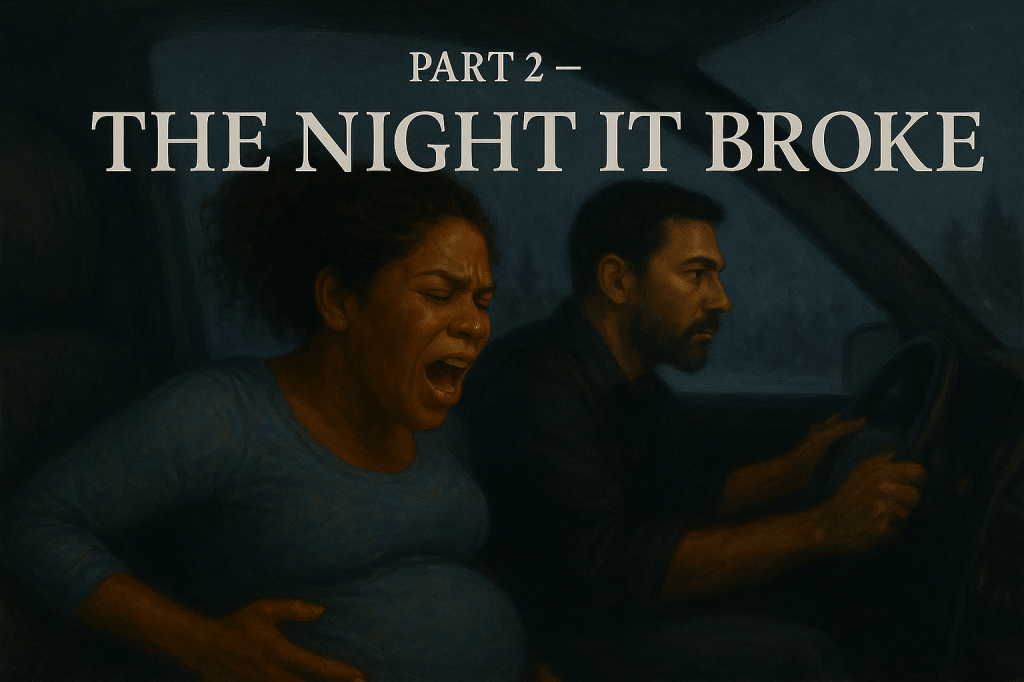
The Night It Broke
Promises Made
On January 18th, nearly two weeks past my due date, I had a membrane sweep. My body showed no signs of labor, and my patience was fraying. At that appointment, my midwife looked me in the eye and promised she’d stay close — in her Elizabeth City office — in case the snowstorm hit and labor began.
I believed her.
To make it easier, my husband and I opened our home. We told her and her team they could stay with us. We had a guest room ready, and a pull-out sofa waiting. I didn’t want the storm to be an excuse. I wanted her near, prepared, present.
Everything was set.
The Day Labor Began
On January 21st, around 8 a.m., contractions began. They were steady enough to notice, sharp enough that I knew — this was it.
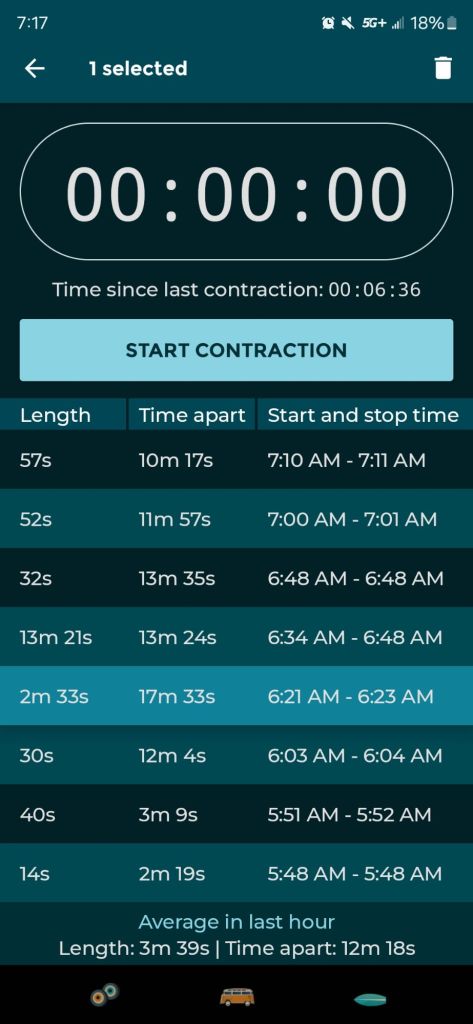


All day I texted her updates: screenshots from my contraction timer, notes about spacing, messages about how I was feeling. She responded, but she never came closer. Her tone was polite, calm, detached — too detached for what I was experiencing.
“Keep me posted,” she said.
Over and over again.
I wanted to believe it meant she was preparing, but deep down a quiet unease was forming. Still, I clung to her promise.
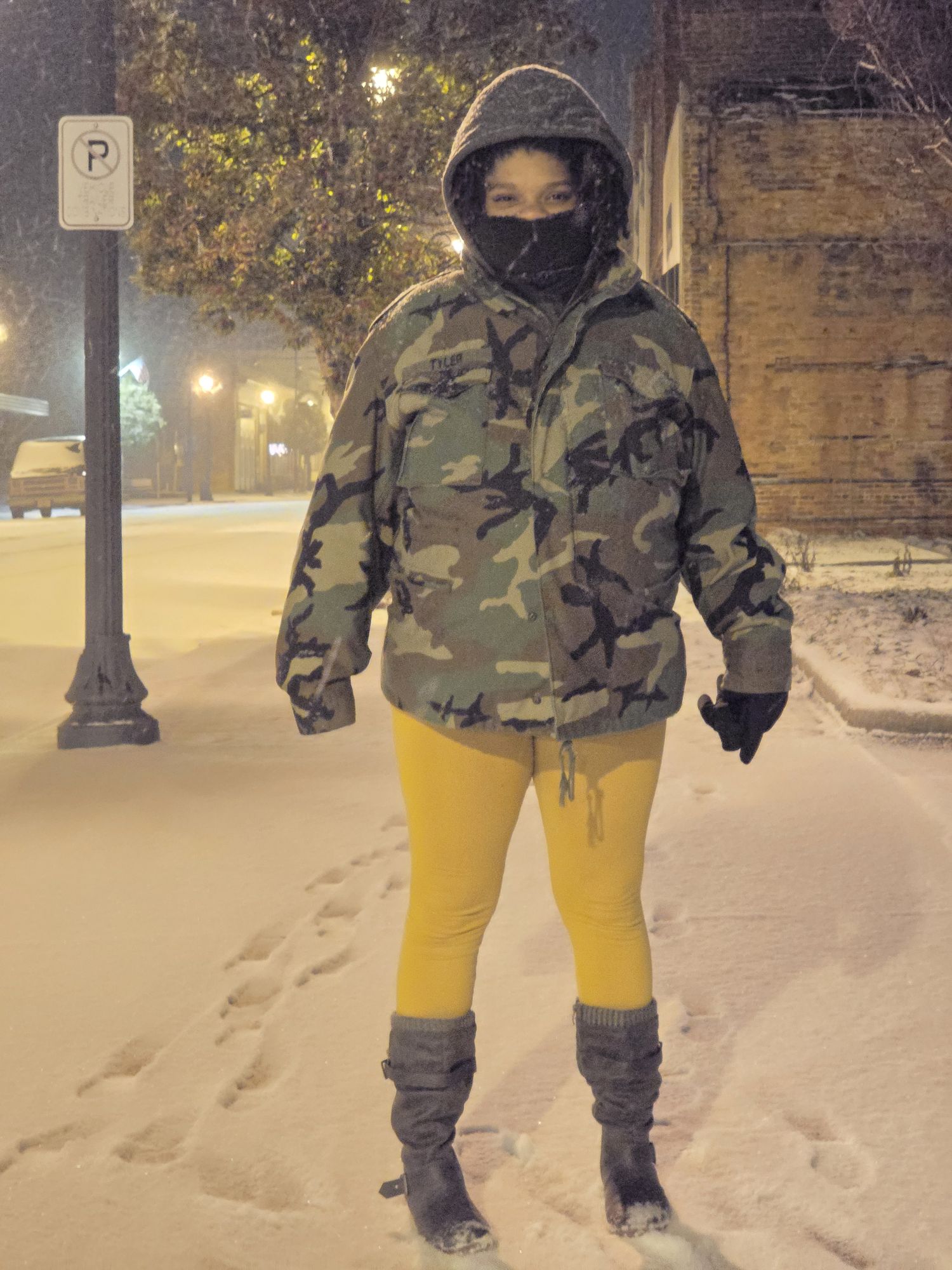
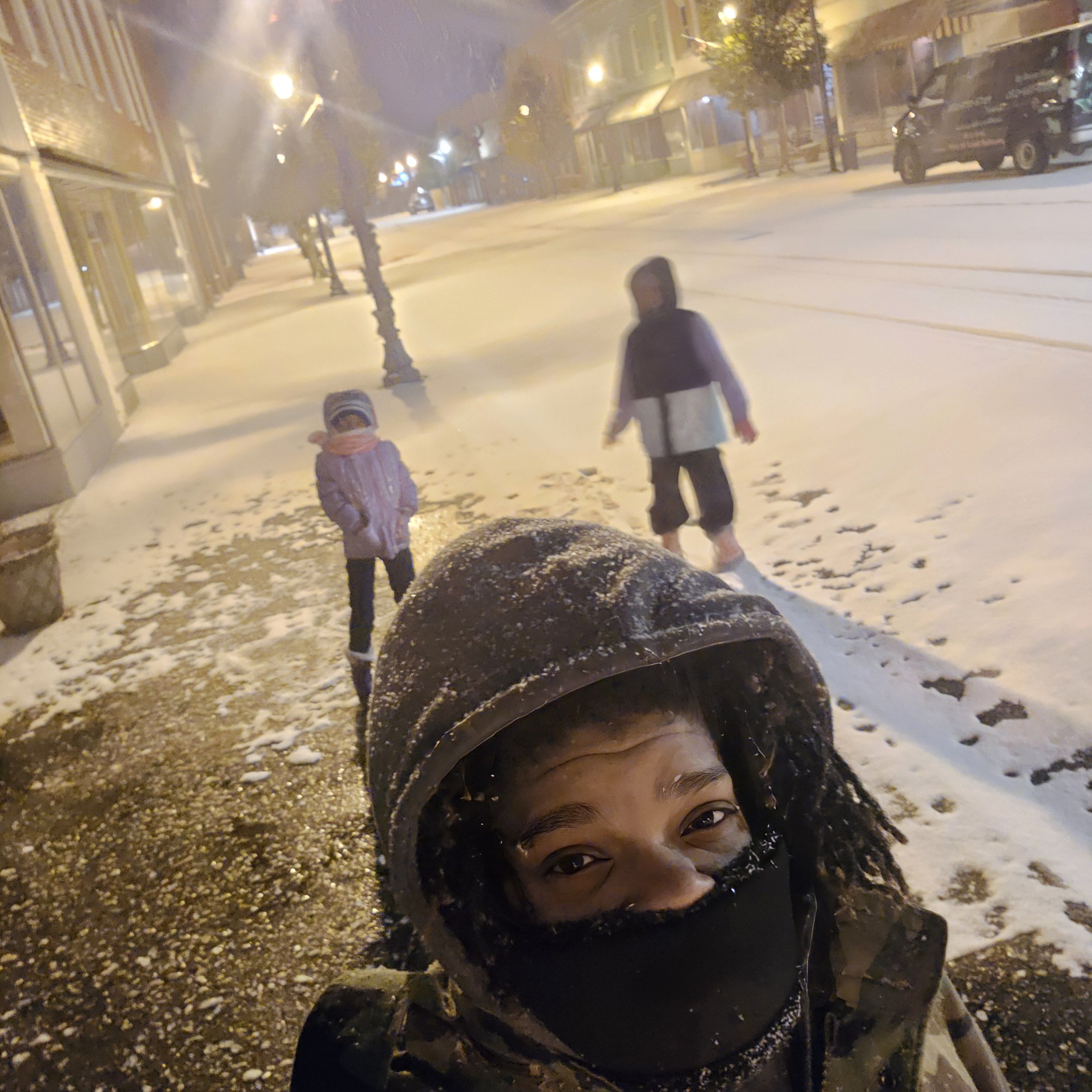


By evening, the snow began. It started as delicate flakes that caught the light from the window, but by 9 p.m., the ground was coated in white. By 11, the roads were slick and dangerous. My midwife had promised to stay in Elizabeth City, but instead she went back to New Bern — almost twenty minutes farther than she’d said.
I told myself it didn’t matter.
I told myself she’d come when it was time.
The contractions grew stronger. I moved around the room, breathing through each one. My husband stayed close, offering water, rubbing my back, keeping the atmosphere calm. The room was soft and sacred — candles, affirmations, music. It felt holy, peaceful, ready.
When My Water Broke
At 2:39 a.m., after hours of labor, my water broke. It wasn’t a trickle — it was a sudden, certain rush, and I knew in that instant everything had shifted.
I texted Nichole, my herbalist. She had been my anchor throughout pregnancy — steady, gentle, always there.
“My water just broke,” I wrote.
She replied instantly:
“Call Cher with that update 🥰”
So I did. My hands shook as I dialed, the contractions hitting harder.
When Cher answered, her voice was steady — almost too steady. I told her my water had broken. There was a pause long enough for me to know something was wrong before she spoke.
Then came the questions.
“How close are your contractions?”
“Do you feel like the baby’s coming soon?”
“Do I have time to make it?”
Each one made my stomach tighten. I’d been sending her updates all day — screenshots, timing charts, every detail. She already knew. She wasn’t assessing; she was stalling.
And then she said it — the words that made my heart drop.
She told me she could come, but likely wouldn’t make it in time.
That my husband would probably have to deliver the baby.
I asked where she was.
She said she was in New Bern.
Nearly an hour and a half away — without snow or ice.
Her voice was calm, almost apologetic, but not enough to hide the truth: she wasn’t coming. Then came the final insult — she said she’d “hold space” for me and light a virtual candle.
I stood there, phone in hand, disbelief spreading through me. The woman I had trusted, paid, and prepared for had just told me she wasn’t coming — in the middle of a snowstorm, while I was in active labor.
“She’s not coming,” I said, my voice trembling, flat.
He had been resting, saving his strength for when things intensified. The moment he heard me, he turned red.
“What do you mean she’s not coming?”
When I told him, the anger hit him like fire.
“She sat on the phone for five damn minutes — for what?” he said, pacing, voice rising.
“Get her off the phone! What the hell is she gonna do from there?”
He wasn’t just angry for me — he was angry for us, for everything we’d trusted her with.
When I hung up, I turned to my husband.
Then came action.
“Alright,” he said. “We’re going to the hospital.”
We moved like people in a fire. He helped me pack — clothes, baby things, blankets — while I stopped to breathe through each contraction. He woke the kids, and called my mother to drive through the snow to come get them.
He reached out to our loved ones, letting them know what was happening — that the midwife wasn’t coming, that we were headed to the hospital in Edenton, North Carolina.
The disappointment rippled outward. This wasn’t just our loss. My circle — the women who had prayed with me, supported me, planned to attend the birth — were heartbroken. They had wanted to see this through, to witness the moment we had all waited for.
The night we envisioned — a night of peace, purpose, completion — was unraveling before us. The midwife’s absence wasn’t only her failure; it felt like the breaking of a shared dream.
Scrambling in the Night
Once we knew she wasn’t coming, the calm in the house vanished.
My husband moved quickly, clearing snow from the windshield, making a path down the driveway. I could hear the wind, low and cold, the crunch of his boots outside.
Inside, I tried to stay focused, stuffing what we might need into bags. Nothing felt organized — no checklist, no plan — just movement.
By the time my mother arrived, the headlights of her car glowed faintly through the white. The kids were sleepy, confused, still in pajamas. I kissed them quickly, promising everything would be okay. Watching them leave felt like another piece of the night falling apart.
The Drive Through the Night
By the time we left, the storm had passed. The air was cold and still, the world silent except for the low hum of the car. The moon hung over a landscape of snow, glinting off frozen fields and tree limbs that bent under the weight.
We climbed into one of our least dependable cars — the one that had gas, the only one with a chance of getting us there. The heater sputtered awake, filling the air with warmth as the headlights stretched over the long, dark backroads.
The drive to Edenton felt endless — miles of narrow country lanes winding through darkness, lined with snow-covered trees.
But I wasn’t afraid.
My husband is from Charleston, West Virginia, and he spent years stationed at Fort Drum, New York. Snow and ice don’t shake him — they steady him. I had complete faith in him. I always have.
He’s always been my protector — through pregnancy, through labor, through every fear. And that night, he was exactly who I needed him to be: calm, focused, unwavering.
The contractions were deep and consuming now. I screamed through them, raw and unrestrained, the sound filling the car and dissolving into the quiet outside. Between one scream and the next, his hand found my back — slow, steady circles that grounded me in the pain.
Between contractions, there was nothing but the hum of the engine and the faint whisper of the tires over ice. No traffic. No voices. Just us — two people on a long stretch of road, carrying a sacred moment through the calm that follows a storm.
The world outside was frozen, but inside that car, I felt safe.
He glanced over between turns, his voice low and even:
“You’re doing so good, baby. We’re almost there.”
And I believed him.

About fifteen minutes from the hospital — where the backroads met Highway 17 — we came up behind a snowplow truck. Its flashing orange lights blinked rhythmically in the dark, casting a warm glow over the snow.
We fell in behind it, and for the first time that night, the road cleared. The plow scraped and tossed the ice aside, carving a path for us through the frozen highway.
We both exhaled — a shared relief.
It felt like the universe was looking out for us, like something divine had placed that truck there just for this stretch of road. We both felt it. We were grateful — deeply, wordlessly grateful.
The rest of the way felt safer, smoother. We could finally speed up a little.
When the lights of the hospital finally appeared ahead, I closed my eyes and whispered a quiet thank you — to God, to the universe, to whatever force had cleared our path that night.
By the time we pulled into the hospital parking lot, my body was trembling from pain and exhaustion, but my heart was steady.
That night will always carry the ache of betrayal, but it also holds something sacred — the strength of partnership, the grace of divine timing, and the quiet assurance that even when everything breaks, love and faith will always find the way through the dark.
 Zenified Healing