

Welcome to our blog, a sanctuary of healing and self-discovery. Today, we dive deep into the topic of prenatal depression, also known as antenatal depression, shedding light on this often unspoken aspect of motherhood. Pregnancy is a transformative journey, but it can also bring unexpected emotional challenges. In this article, we explore the causes, signs, and holistic approaches to overcoming prenatal depression, empowering you to nurture your inner light and embrace the joyous path towards motherhood.
I was motivated to blog about this condition because I experienced prenatal depression early on, and I want mothers out there suffering from prenatal depression to know they are not alone. Experiencing this condition doesn’t make you a horrible person, nor does it make you a bad mother. Please know and understand it’s completely natural, and with the right tools under your belt, you can overcome it!
I’ve gotten through two pregnancies, with horrible morning sickness and heartburn, never had I ever experienced prenatal depression. As they say, third time’s a charm! Prenatal depression snuck up on me, I never saw it coming. As I mentioned in another post, my partner and I had been trying to conceive for nearly two years. So, when the surprise came that I was pregnant, I was overflowing with joy. I begun a life with the love of my life, and I wanted nothing more than to create life with him. All my dreams had come true, so why on earth would I be anything but ecstatic?
Understanding Prenatal Depression: Illuminating the Shadows
Pregnancy is a time of immense physical and emotional change. While it is common for expectant mothers to experience mood swings and moments of sadness, prenatal depression goes beyond these temporary fluctuations. It encompasses persistent feelings of sadness, anxiety, and hopelessness that can hinder the profound connection between mother and child. Many people are familiar with postpartum depression, but we rarely hear of prenatal depression. Left untreated, prenatal depression can develop into postpartum depression.
I want it to be known that I do suffer from depression from time to time, but I’ve managed to maintain great coping methods to get me through. Years ago depression took over my life, and I lived in my own world of darkness. I’d be depressed for weeks for no reason. Between therapy and experimenting with self-care strategies, eventually, I was able to get a grip on my depression.
When prenatal depression hit me, it crept up on me, and for the life of me, I couldn’t get past it. When it first hit me, I was irritable, everything and everyone annoyed me–from my partner, to my dogs, my kids, and other loved ones. I took notice of this early on, and decided to separate myself as much as possible until I could get a better grip on things. However, the more I secluded myself, the more intense it became. It quickly shifted from irritability to depression, and before I knew it, I was in that dark place again.
I started having doubts about my future, my relationship, and even this baby growing inside of me. There was even a moment where I stated horrible things about my pregnancy, and my unborn child. I was devastated, and felt like a shitty partner, and even a shittier mother. I spent many days and nights lying in bed, crying until I could barely breathe, and feel my head nearly explode.
Shedding Light on the Causes: Unveiling the Layers
Prenatal depression can arise from various factors, including hormonal imbalances, past trauma, changes in brain chemistry, or even external stressors such as relationship difficulties or financial worries. By acknowledging these potential triggers, we can begin to unravel the layers that contribute to this challenging emotional state.
- Hormonal Rollercoaster: Pregnancy brings about significant hormonal changes in a woman’s body. Fluctuations in estrogen and progesterone levels can impact mood regulation, potentially leading to prenatal depression. Understanding these hormonal shifts is crucial in providing compassionate care and support.
- Past Trauma Resurfacing: Pregnancy can sometimes stir up unresolved trauma from the past. Whether it’s related to childhood experiences or previous pregnancies, these emotional wounds may resurface during this vulnerable time. Offering trauma-informed care and resources can help expecting mothers navigate their healing journey.
- Emotional Turmoil: The anticipation of becoming a parent can be overwhelming, triggering a whirlwind of emotions. Anxiety, fear, and self-doubt may arise, amplifying the risk of developing prenatal depression. By acknowledging and validating these emotions, we can create a safe space for mothers to express themselves without judgment.
- Lack of Social Support: The journey through pregnancy can feel isolating without a strong support system. Limited social connections, strained relationships, or lack of understanding from loved ones can contribute to feelings of loneliness and sadness. By fostering a sense of community and providing resources for building support networks, we can empower mothers with the strength they need.
- Life Transitions & Stressors: Pregnancy often coincides with major life changes, such as career adjustments, financial concerns, or relationship dynamics. These stressors can take a toll on mental well-being, making expectant mothers more susceptible to prenatal depression. Equipping them with coping strategies and self-care practices can help navigate these transitions with grace and resilience.
Signs and Symptoms: Listening to Your Inner Voice
Prenatal depression is more common than you might think. It affects expecting mothers and can have a profound impact on their emotional well-being. Prenatal depression can spill over into the lives of those who love you most as well. Whether it’s your partner, family, or friends, prenatal depression can take its toll on those closest to you. Whether it be from seeing you suffer, or the difficulty of being supportive while prenatal depression runs its course, it can be a challenge for everyone.
By recognizing the signs early on, we can take steps towards healing and nurturing our inner selves. It is crucial for expectant mothers to listen to their inner voice and recognize the signs of prenatal depression. It’s just as important for those close to the expecting mother to be aware of the signs as well. In my case, for example, had my partner been aware of the signs, we would’ve bypassed weeks of distress. We would’ve gotten back to our happy place much sooner!
Some common symptoms include persistent feelings of sadness or emptiness, loss of interest in activities once enjoyed, changes in appetite or sleep patterns, excessive worry about the baby’s health, or thoughts of self-harm. Remember that seeking support is not a sign of weakness; it is an act of strength.
Signs to Look Out For
- Persistent sadness or feelings of hopelessness
- Overwhelming anxiety or excessive worry
- Loss of interest in activities once enjoyed
- Changes in appetite or sleep patterns
- Difficulty concentrating or making decisions
- Withdrawal from social interactions
I want to stress the importance of being aware of the signs that you, your partner, or loved one is suffering from prenatal depression. Around the time when it started becoming worse for me, it seemed that my partner and I butted heads over every single thing. I may have seemed like a bitch, and he was definitely a pain in my ass! My emotions were out of control, I was extremely depressed, and the pregnancy itself had also begun taking a toll on my body and energy levels. I had no time, nor the energy, to put up with anyone’s bullshit!
When we’d argue, it would just make things worse. I felt as if I couldn’t talk to him, and if I couldn’t talk to him, how could I get him to understand? That phase of my pregnancy lasted a little longer than I’d hoped, but eventually, I was able to have a sit down with my partner and break down everything I was going through.
Once we got through that, it was smooth sailing from there. He was empathetic, very supportive, and our healthy lines of communication were open once again! I was no longer fearful of losing the man I loved, nor did I feel like I was in all of this alone. Whether it’s your partner, a friend, or a professional, it’s very important that you speak to someone about how you’re feeling.
For extreme cases, or if it’s your first time experiencing these feelings and emotions, I’d highly advise that you seek the help of a qualified professional. Friends and family are good to vent to, but a professional can help you make sense of the things you’re going through.
Embracing Holistic Healing: Illuminating Pathways

Now that we have shed light on prenatal depression’s shadows let us explore holistic healing approaches that can guide you towards a brighter path. These practices are designed to nourish your mind, body, and soul, promoting overall well-being during this transformative time. Of course, it’s no one-size-fits-all. As with anything new, you have to experiment and find what works best for you.
This is much easier said than done! I will be honest, even as a holistic health entrepreneur who’s knowledgeable of several holistic modalities, I sat within my depression far too long! I CHOSE to sit in my depression, I CHOSE to be, what my partner calls, a “negative Nancy”, and I CHOSE to do absolutely nothing about it.
But there came a day when I stopped being selfish, and I considered all the love that had been shown to me. Whether it was patience, errands ran for me, or just the consideration of my overall condition, it wasn’t fair to my partner, so I snapped out of it, and put forth the effort into doing better. It was still difficult because I was still depressed, but I ‘faked it ’till I made it’. One day, the laughs weren’t forced, they were genuine. From then on, no more prenatal depression.
However, there was a physical ailment that arrived in full force shortly after my relief from prenatal depression that had me wanting to die! More on that in the next blog post! For now, let’s stay focused on the topic at hand. Below are a few holistic methods to help aid you in overcoming prenatal depression.
Connecting with Your Inner Light: The Power of Meditation
Meditation is a powerful tool for connecting with your inner light and finding peace amidst the chaos. Take a few moments each day to sit in stillness, focusing on your breath and allowing any negative thoughts or emotions to gently dissolve. Embrace the present moment and cultivate a sense of gratitude for the miracle growing within you.
When I’m having negative feelings or thoughts, I like to sit with them in meditation. I don’t entertain the thoughts, I allow them to come and go freely. What I like to do after I allow them to pass is ask myself why am I feeling those feelings? It’s not to give my negative thoughts any power, it’s my attempt to drill down to any root cause(s) that drove them there. I find that when I allow my thoughts to roam free in meditation, it clears up my mental space when I’m active during the course of my day. This way, I’m able to be fully attentive to the things that matter most.
Illuminating Self-Care Practices: Nurturing Your Soul
Self-care is not selfish; it is an essential act of self-love. Engage in activities that bring you joy, whether it’s taking relaxing baths, indulging in prenatal massages, or practicing gentle yoga. Nurturing your soul will replenish your energy and help you navigate the emotional rollercoaster of pregnancy with grace.
My number one go-to self-care practice is a nice, hot, steamy bath filled with bubbles, dead sea salt, and essential oil. If I step it up a notch, there will be soothing music, dimmed lighting, and candles. Sometimes I relax, other times I may cry myself a river, either way it’s self-care nonetheless. The majority of the time, bath time is me time! However, there has been a few nights where my partner sits in and we talk and laugh. My favorite times are when he rubs me down with body scrubs.
Seeking Support: Illuminating the Path Together
Remember that you do not have to walk this path alone. Reach out to loved ones, join support groups, or consider seeking professional guidance from therapists specializing in perinatal mental health. Surrounding yourself with understanding individuals who can provide a listening ear and empathetic support will brighten your journey towards motherhood.

I am blessed to have a strong support system. My partner is, by far, my biggest supporter! He is truly amazing and I’m blessed to have him by my side. Occasionally, he needs support as well, and he reaches out to my family. My family never disappoints, I am truly grateful for the abundance of love present in my life. I couldn’t have gotten this far without them!
Cultivating Positivity: The Power of Affirmations
Affirmations are like rays of sunshine for the soul. Repeat positive statements such as I am strong, I am capable, and I am worthy of love daily. By shifting our mindset towards self-empowerment and positivity, we illuminate our inner world and attract healing energies. This is an amazing practice because it will replace those negative thoughts and feelings, at least temporarily. Positive affirmations redirect our minds to focus on the good, and over time it becomes much easier to repel negative thoughts. With consistency, positive affirmations can also boost your confidence, and those negative thoughts will be no more.
Embracing Nature’s Healing Energy: The Therapeutic Power of Reiki
Reiki, a gentle energy healing practice, can be immensely beneficial during pregnancy. This ancient technique promotes relaxation, balances energy centers within the body, and supports emotional well-being. By embracing Reiki, you can tap into the universal life force energy to restore harmony and find solace during this transformative time. Reiki is non-invasive, so it’s perfect for expecting mothers.
As a Reiki practitioner, I can definitely advocate for the practice of Reiki. Every experience is different, but for me, I feel the healing at work almost immediately. It’s a nice, calm, soothing energy that directs itself where it’s needed. I’d recommend Reiki to anyone, especially those who’ve never tried it! It’s such an amazing experience, and you get to feel the effects for days, sometimes weeks. It’s truly amazing, and I definitely recommend it for expectant mothers, with or without the experience of prenatal depression.
Conclusion
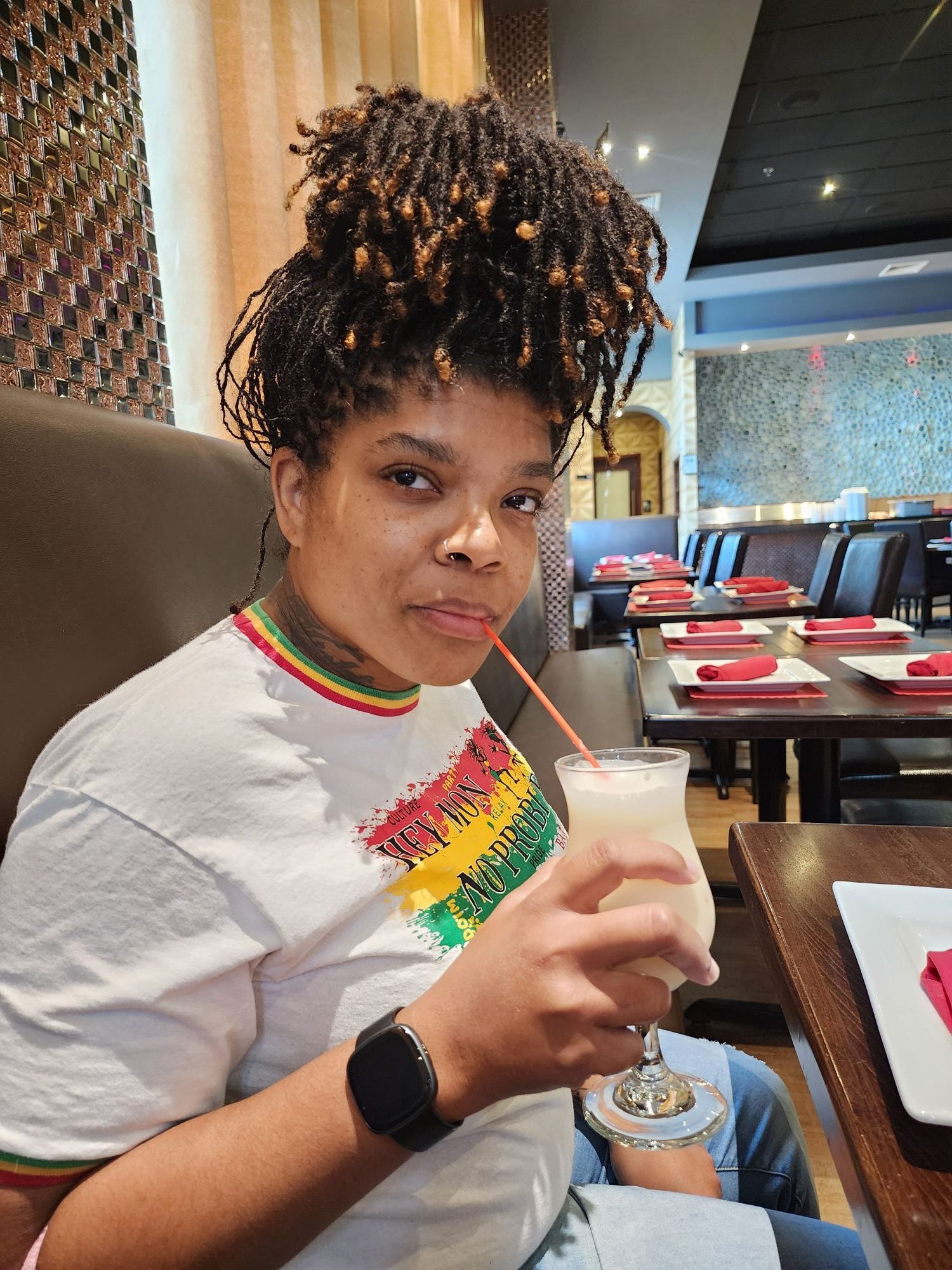
As we conclude our exploration of prenatal depression, remember that you are not alone on this journey. By shedding light on the shadows, embracing holistic healing practices, seeking support, and cultivating positivity, you can overcome the challenges of prenatal depression and nurture your inner light. Trust in the transformative power of self-care, self-compassion, and the unwavering strength that lies within you.
Remember, dear friend, prenatal depression is a temporary cloud in your sky. With the right support and self-care practices, you can embrace the radiant sunshine of inner peace and joy. Reach out to your healthcare provider or a trusted professional to discuss your feelings openly. Together, we can create a world where every expectant mother feels empowered, supported, and deeply cherished. Embrace this sacred chapter of motherhood with open arms, knowing that joy awaits on the other side.
Are you seeking solace and support during your prenatal journey? Ready to embrace holistic healing and find empowerment as you navigate through prenatal depression? Join our mailing list (newsletter signup below) today and embark on a transformative path towards emotional wellness and self-discovery.
 Zenified Healing
Leave a comment